Maintenance · 11 min read
The lift station maintenance checklist every operator needs.
Daily, monthly, and annual tasks that prevent the after-hours calls you never want to take — built from a decade of field service data.
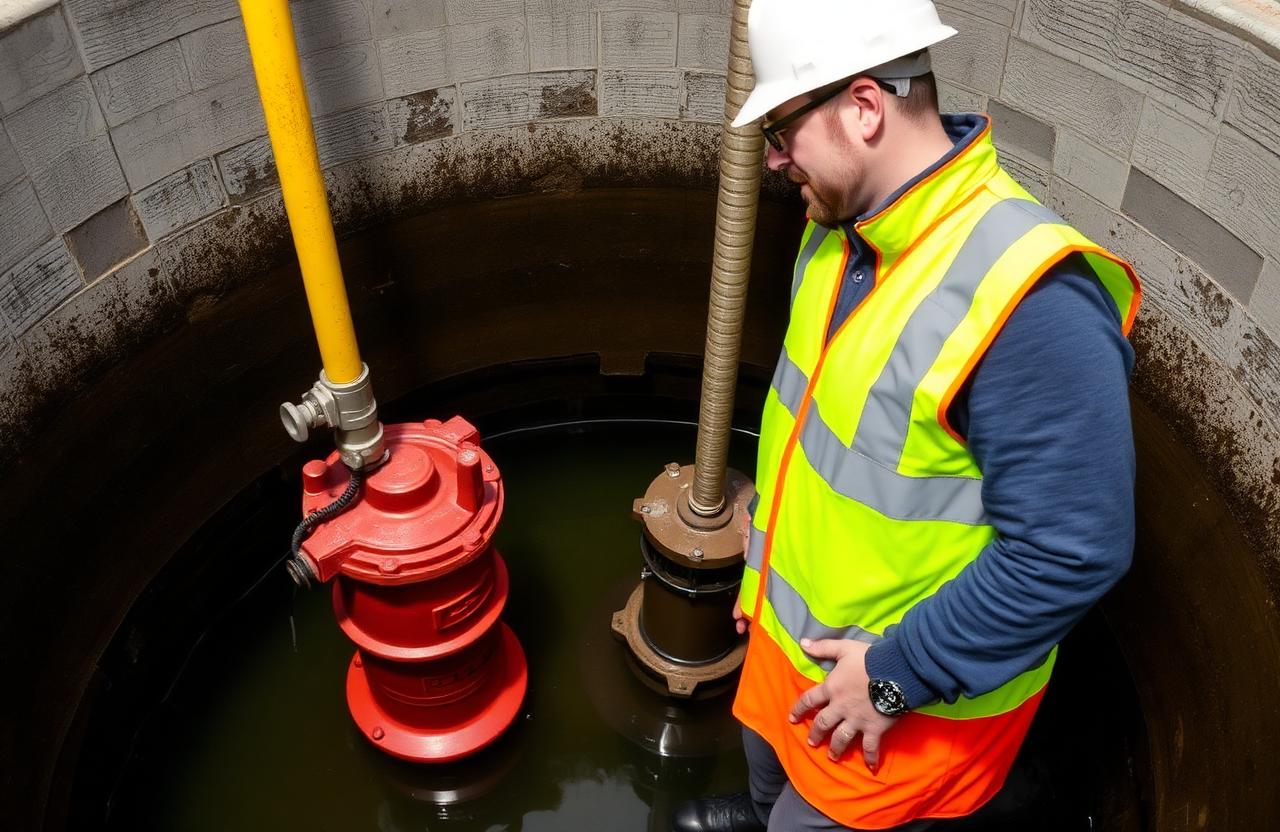
Lift stations are unglamorous. They sit quietly underground, pumping sewage out of a low point and into the next gravity main, and the only time most people notice them is when one fails. By then it's usually after hours, raining, and the call costs ten times what the prevention would have.
The good news is that lift station failures follow predictable patterns. Pull two years of after-hours service tickets across any utility and the same handful of root causes show up over and over: rag-bound impellers, failed floats, control faults from moisture intrusion, seal failures from running dry, and bearings that wore out because nobody noticed the vibration trend three months earlier.
Every one of those is preventable with a maintenance routine built around what actually fails. This article is that routine — a complete checklist organized by frequency, with the reasoning for why each task matters and the warning signs that should escalate it.
Daily and remote checks.
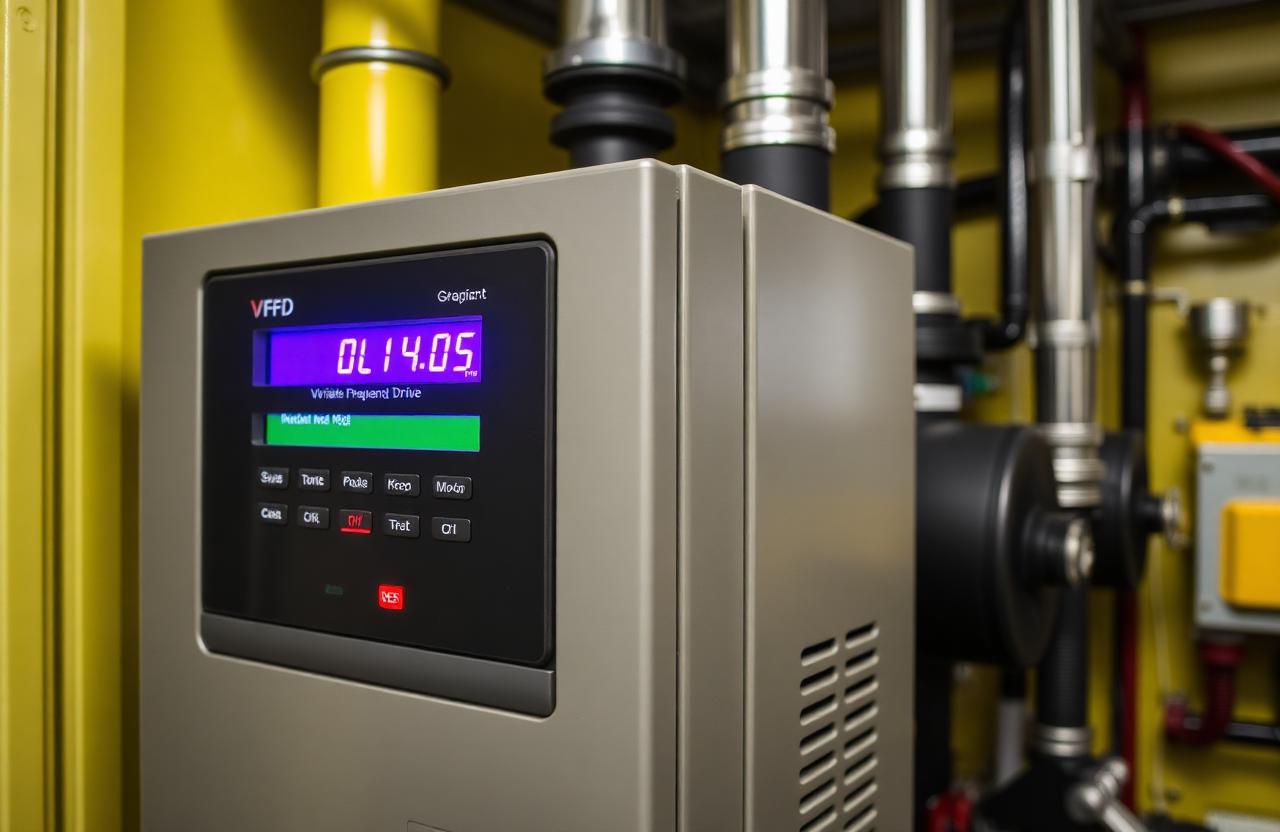
Daily inspection in person is rarely realistic for a small utility with dozens of stations. What is realistic is a daily SCADA sweep: run hours per pump, number of starts, current draw, wet-well level history, and any alarms in the last 24 hours.
What you're looking for is change against baseline. A pump that ran twice as many cycles as yesterday is telling you something — usually that an inflow event happened, or that one pump is doing more work than its partner. A current draw that's drifted 8% high since last month is telling you the impeller is fouling. A station that's gone silent on SCADA is telling you the radio or modem died, which is also telling you that you currently have no visibility into a critical asset.
Set up your SCADA to alert on rate-of-change, not just absolute thresholds. A wet well that fills 40% faster than its weekly average is a more useful alarm than one that triggers only at the high-high float.
Weekly drive-by inspection.
A weekly visual inspection takes ten minutes and catches the things telemetry can't. Open the control panel and look — really look — at the contactors, breakers, and terminal blocks. Moisture stains, corrosion on terminals, and the smell of burnt insulation are early warnings that always show up before the panel actually fails.
Listen at the wet well hatch. Healthy pumps make a steady hum; a pump fighting a rag or running dry has a noticeably different sound. Check that the hatch gasket is intact and the access cover seals properly — water intrusion into the wet well doesn't matter much, but water intrusion into the dry well or the panel matters a lot.
Walk the site for obvious problems: vegetation overgrowing the access, signs of vehicle damage to the vent stacks, fence damage, vandalism, illegal dumping into the wet well. Photograph anything that changed and log it in the work order system.
Monthly hands-on tasks.
Once a month, plan for a real working visit with pumps off and the station locked out. The first task is always wet-well housekeeping: scrape grease off the walls down to the working level, hose down the inlet baffle, and net out floatables. Grease accumulation isn't cosmetic — it changes the calibrated volume the floats are referencing, which throws off cycle counts and wear-life calculations.
Cycle the floats by hand. The off-float, lead-on, lag-on, and high-level alarm all need to trigger cleanly and in sequence. Tethered floats wear at their suspension points; cable insulation gets attacked by sewer gas and cracks. A failed float is the single most common cause of dry-running and wet-well overflows.
Check seal-fail probes, motor temperature sensors, and moisture detectors on each pump. Most modern submersibles include both an upper and lower seal chamber with a probe that detects water intrusion past the upper seal. A tripped seal-fail probe means the upper seal is gone and the lower seal is now the only thing between the pump motor and the wet well. Schedule the rebuild this week, not next quarter.
Wipe down the inside of the control panel and verify all heater elements (if installed) are operating. Panel heaters seem trivial until a cold snap drives condensation onto live terminals.
Quarterly testing and trend review.
Every three months, do a full performance test on each pump. Close the discharge valve on the partner pump, run the test pump against a known head, and record amp draw and run time to evacuate a measured volume. Compare against the baseline test from commissioning and from the previous quarter. A 10% drop in apparent capacity at the same amp draw is impeller wear or partial blockage. A 10% rise in amp draw at the same capacity is bearing drag or motor degradation.
Pull a megger reading on each motor's winding insulation. The trend matters more than the absolute number — insulation resistance that's drifted from 200 megohms down to 40 over a year is heading somewhere, even if 40 is still above the published minimum.
Inspect and exercise all valves. Check valves with cracked flappers don't fail loudly — they just let the discharge column drain back into the wet well after every cycle, doubling your effective run time and trashing your energy bill. Isolation valves that haven't been cycled in two years often won't close when you need them to.
Annual pull-and-inspect.
Once a year, schedule the pumps for pull-and-inspect. Lift each unit, hose it down, and look for the things that telemetry will never see: impeller wear, volute erosion, suction-side rag accumulation, cable jacket damage, lifting chain wear, and corrosion at the discharge connection.
Pull the inspection plugs on the seal chambers and check for water and metal in the oil. Cloudy oil is moisture intrusion through the upper seal; metallic glitter is bearing wear. Either justifies a shop rebuild rather than just an oil change.
While the pump is up, send a camera into the wet well to document fillet condition, grout integrity at pipe penetrations, and any cracking in the structure. Concrete wet wells in H₂S-aggressive service lose about a millimeter of cover per year and eventually expose rebar. Catching that at year ten is dramatically cheaper than discovering it at year twenty.
Finish the annual visit by re-baselining the SCADA: current draw, vibration if you have a permanent mount, run-time-to-evacuate, and noise floor on the cellular link. That baseline is what next year's trend analysis depends on.
What goes in the maintenance log.
A maintenance log that just records dates and signatures is barely better than no log at all. The log that actually prevents failures captures what was found, what was changed, and what the readings were after the work.
For every visit, record: station ID, technician, date and time, weather, wet-well level on arrival, panel temperature, any alarms in the last 30 days, condition of each float, amp draw on each pump under load, current run-time-to-evacuate, condition of seal-fail and temperature circuits, condition of the wet well, work performed, and parts consumed.
Pull that log into a spreadsheet once a quarter and sort by station. The stations that need attention will rise to the top — usually the same three or four that have been quietly costing you money for years.
When to escalate to a rebuild or replacement.
Maintenance has a ceiling. Past a certain point, a pump becomes more expensive to keep running than to rebuild or replace. The signals are usually obvious in hindsight: amp draw drifting up year over year, capacity drifting down, seal-fail trips becoming routine, vibration trending into the alert band, and rebuild intervals shortening from years to months.
When two or three of those signals converge on a single unit, take it out of service on your schedule rather than its. A planned shop rebuild costs a fraction of an emergency replacement, comes with documented bench-test results, and lets you put a known-good unit back into service. An after-hours failure costs callout fees, possible permit violations from an overflow event, and the goodwill of the homeowners downstream.
Build the rebuild trigger into your maintenance log. When a unit hits the threshold, the system should flag it for the next planned outage rather than waiting for it to fail in the rain.